B’atz’: Legacy in Guatemalan Textiles & Contemporary Art
December 5, 2027 — May 14, 2028

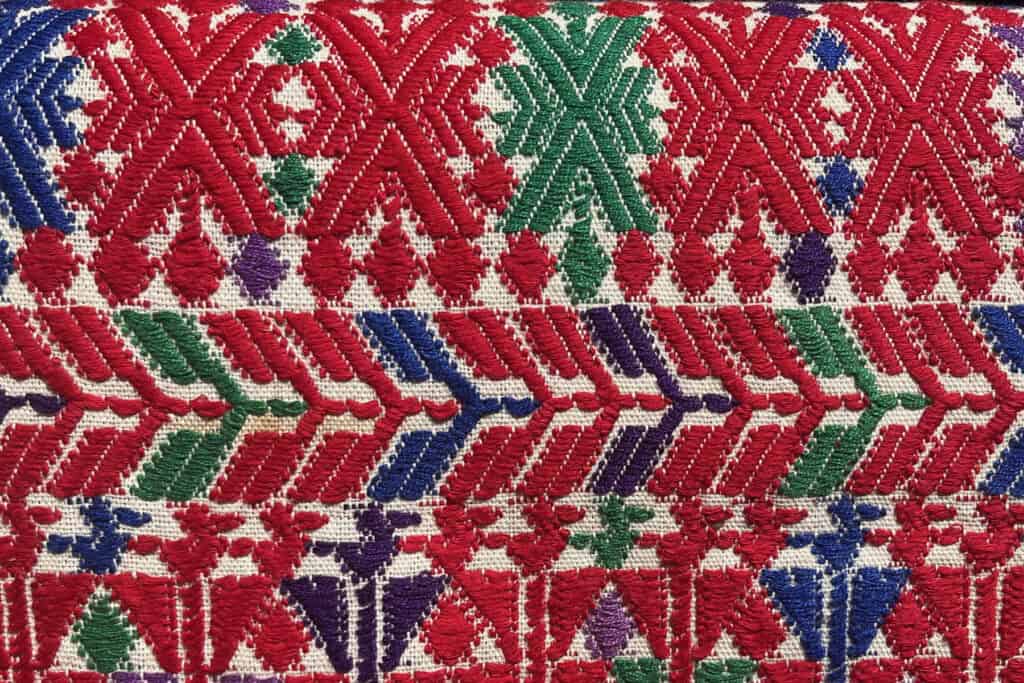
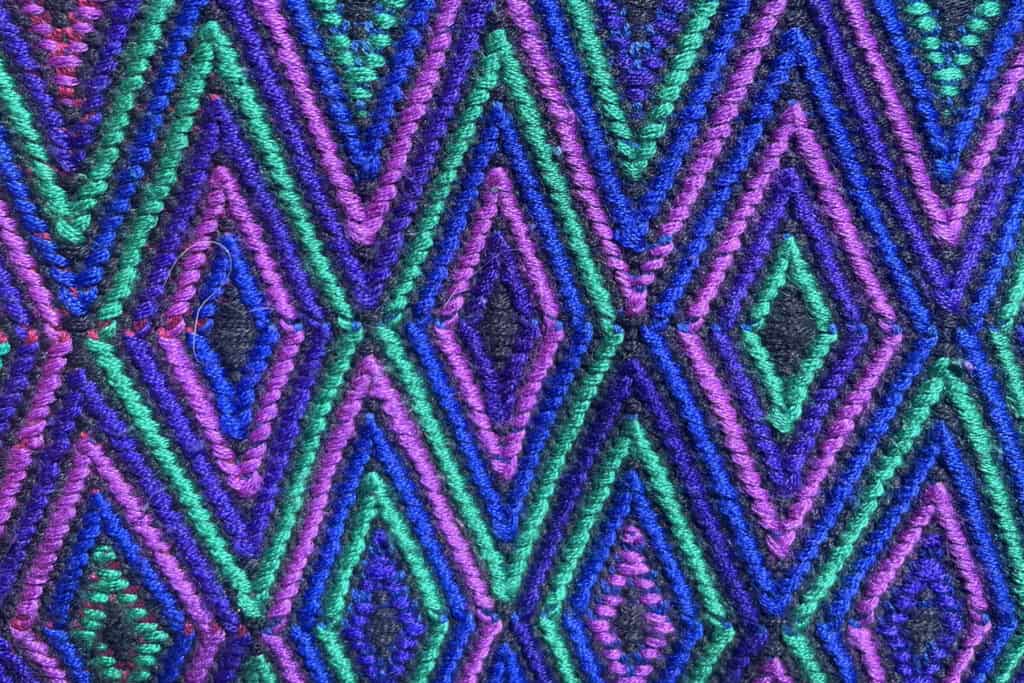
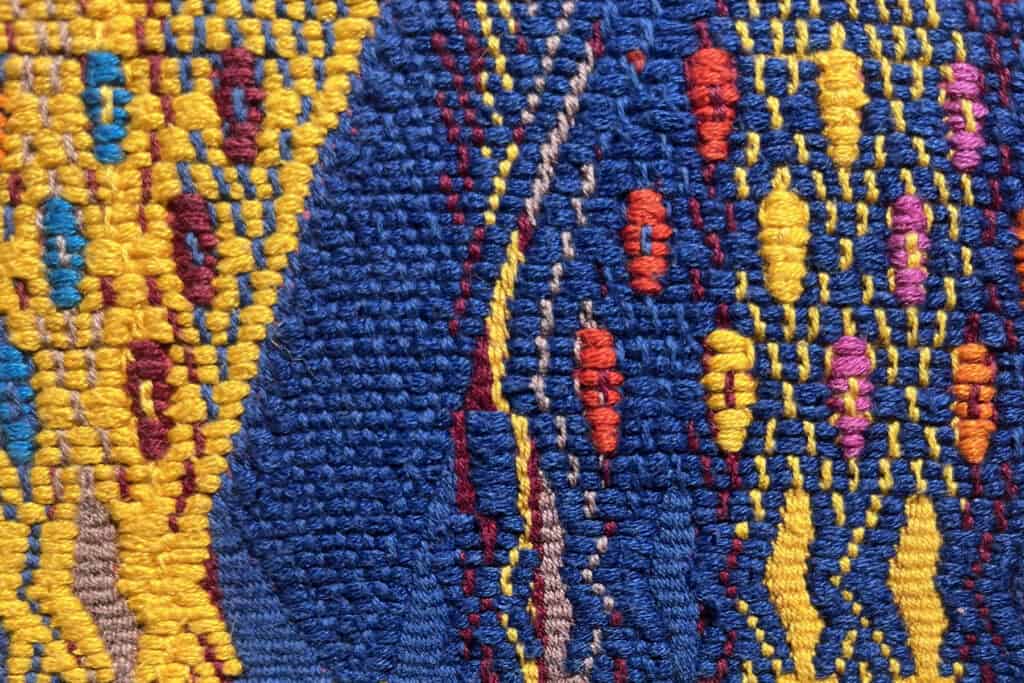
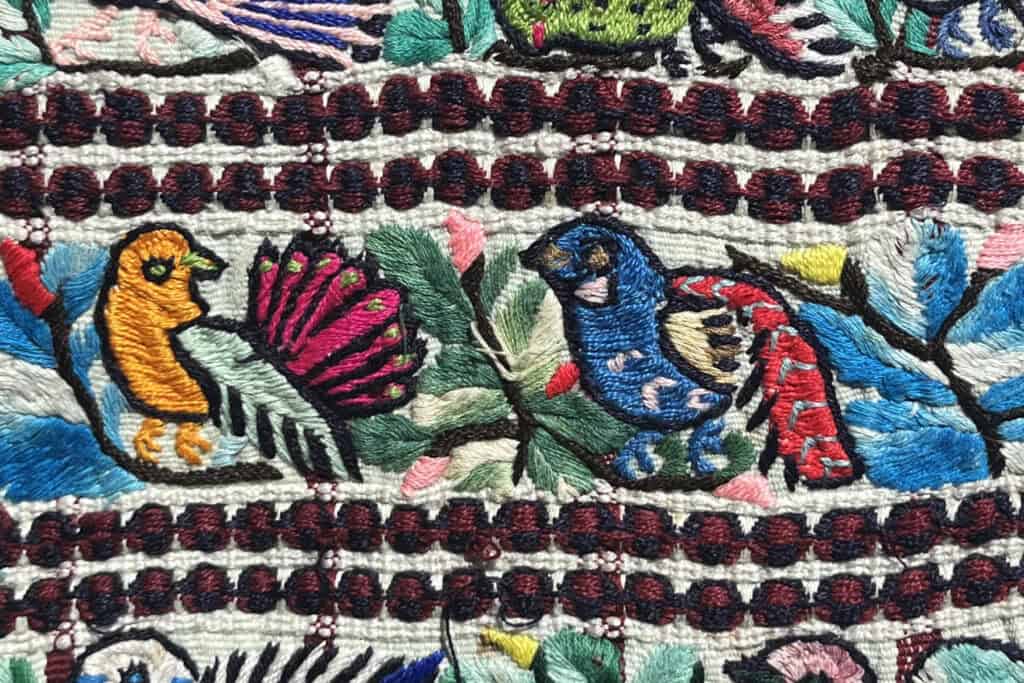
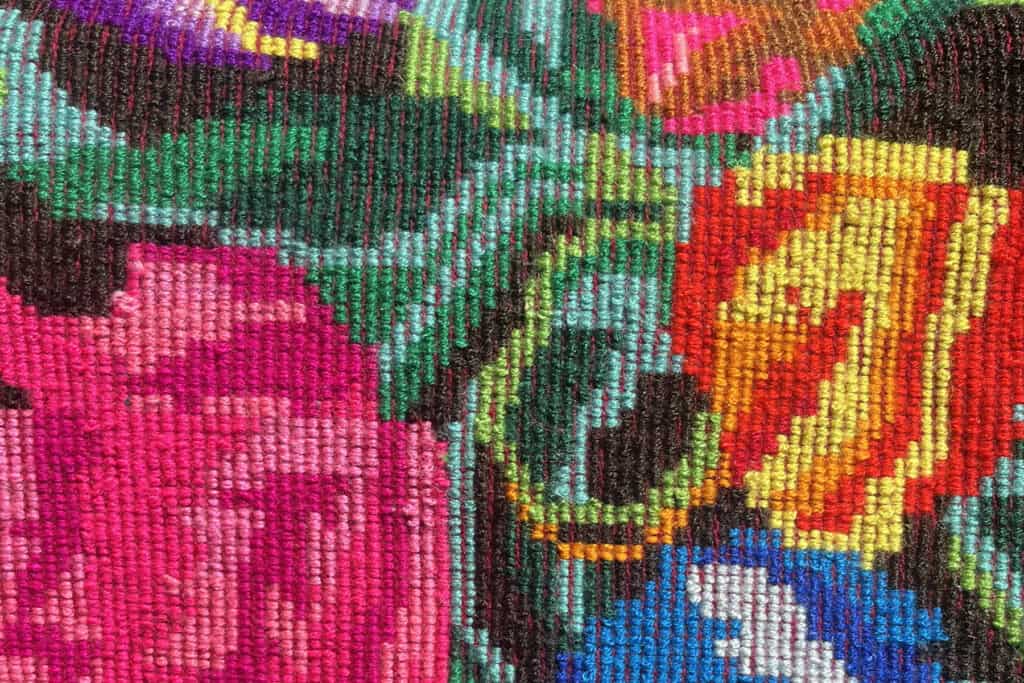
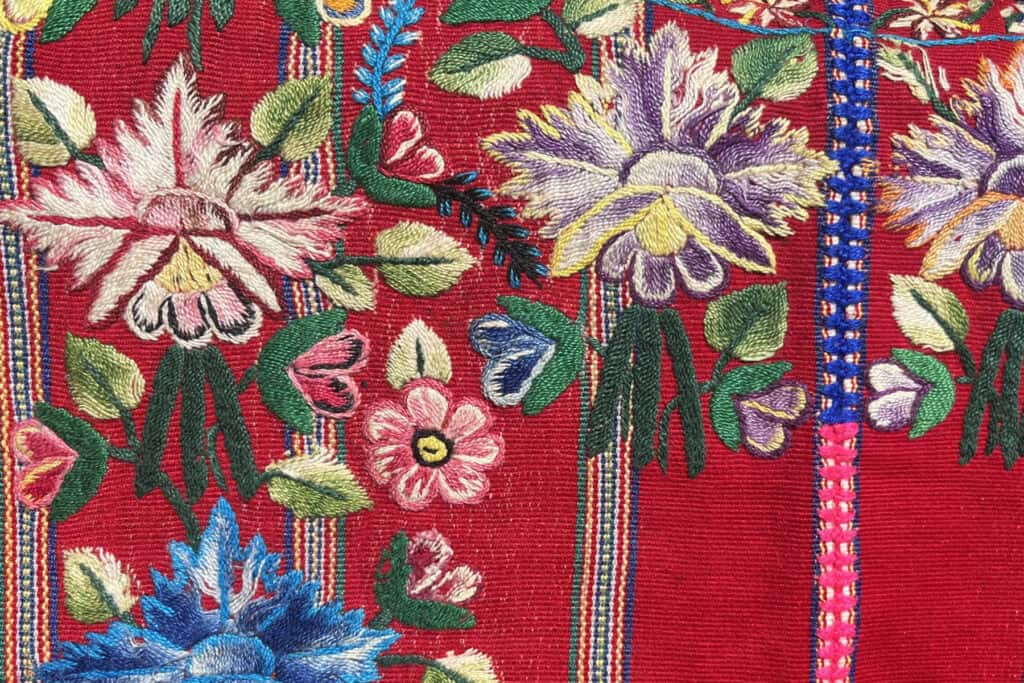
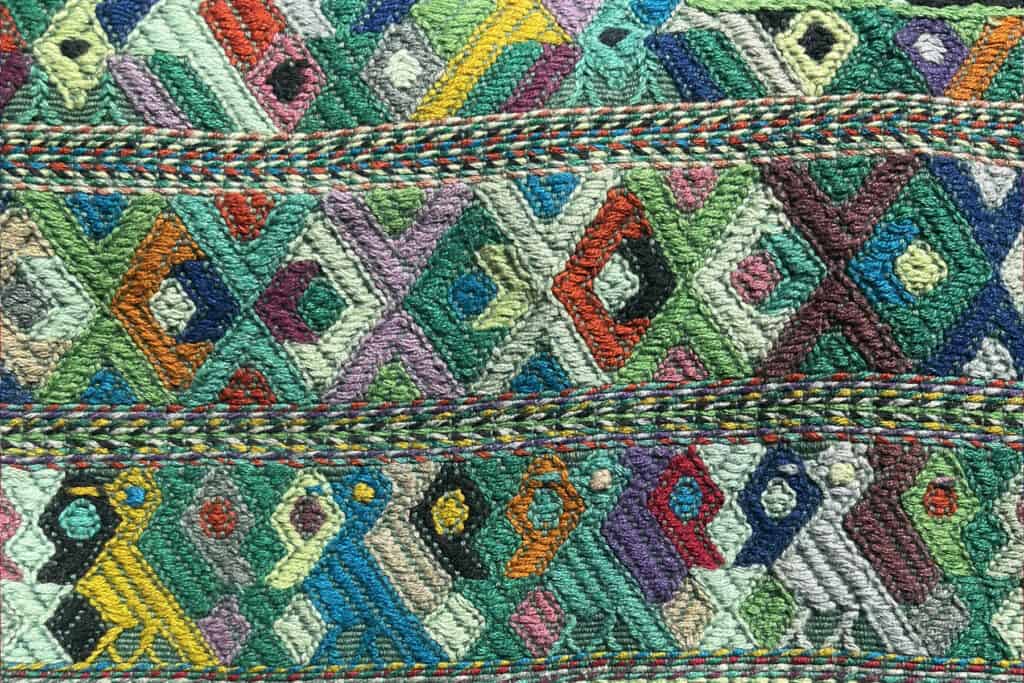
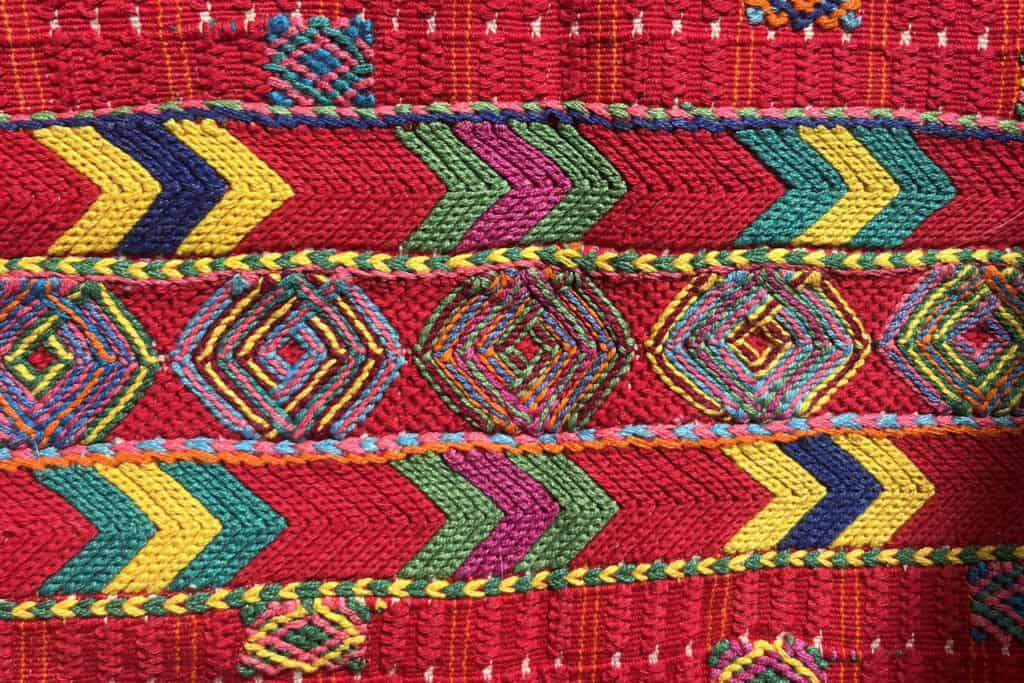
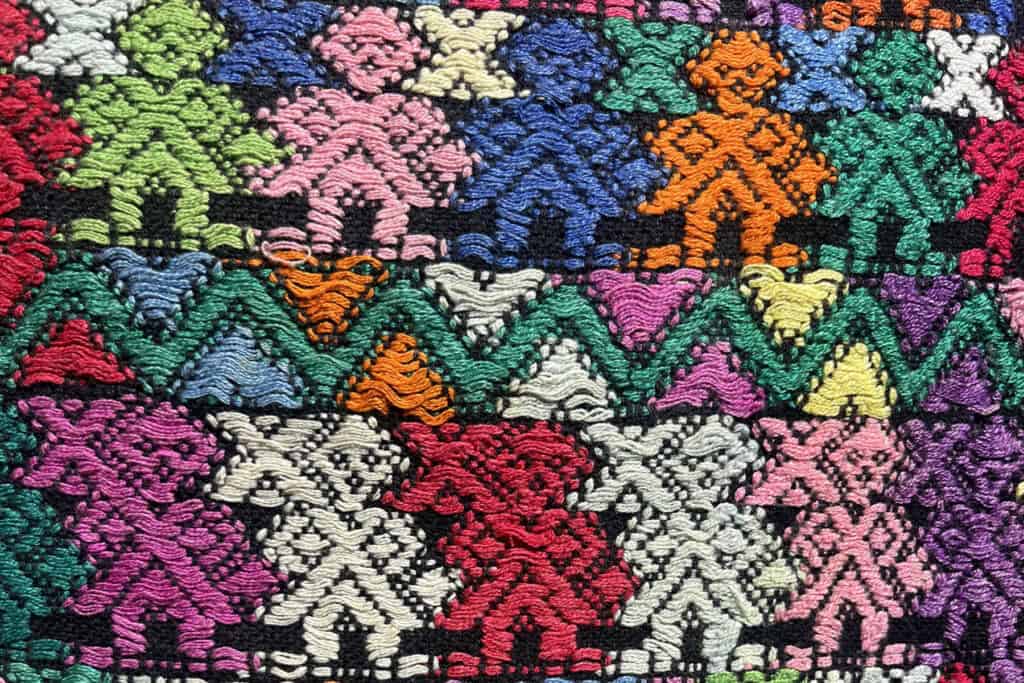
Named for B’atz’, the Maya day sign associated with the thread of life, weaving, creativity, knowledge, and the beginning of time, B’atz’: Legacy in Guatemalan Textiles & Contemporary Art is a major exhibition and research initiative that explores the enduring vitality of Maya textile traditions and their influence on contemporary artistic practice in Guatemala. In Maya cosmology, B’atz’ represents the interwoven relationships between people, ancestors, community, and the natural world, providing a powerful conceptual framework for an exhibition that understands weaving not merely as a craft tradition, but as a living system of cultural knowledge.
Co-curated by Executive Director Rody N. Lopez and Guest Curator Alma Ruiz, the exhibition marks the first major presentation of Guatemalan art in Los Angeles. Bringing together historical textiles and contemporary artworks, the exhibition positions Maya weaving knowledge within international conversations on craft, identity, decolonization, ecology, and contemporary art while highlighting Guatemala’s remarkable artistic contributions to the world.
At its core, B’atz’: Legacy in Guatemalan Textiles & Contemporary Art examines how Guatemalan artists, both traditional weavers and contemporary artists, draw upon Maya textile knowledge to negotiate continuity and change within a technological age that has transformed how objects are designed, produced, and consumed, renewing the relevance of handmade practices and intergenerational knowledge. The project takes as its point of departure the centuries-old weaving practices of Maya women, whose artistry embodies cosmology, mathematics, spirituality, ecology, and community extending into the present in unexplored forms expressed by a new generation of contemporary artists. Through a dialogue between ancestral textiles and contemporary works in fiber, painting, sculpture, installation, and other media, the exhibition demonstrates that weaving is not a static tradition preserved from the past but a dynamic language that continues to generate new artistic, cultural, and political meaning.
The project’s research is guided by the central question: How do past and present Guatemalan artists engage Maya textile knowledge to express cultural identity, resilience, and innovation within postcolonial and transnational contexts? This inquiry bridges art history, anthropology, Indigenous studies, and craft studies, revealing textiles as repositories of history, systems of knowledge, and active agents of cultural continuity. By situating Maya fiber traditions within broader discussions of contemporary craft in the United States, B’atz’: Legacy in Guatemalan Textiles & Contemporary Art expands the geographic and intellectual boundaries of the field while challenging long-standing distinctions between art and craft, ethnography and contemporary practice, and historical object and living tradition.
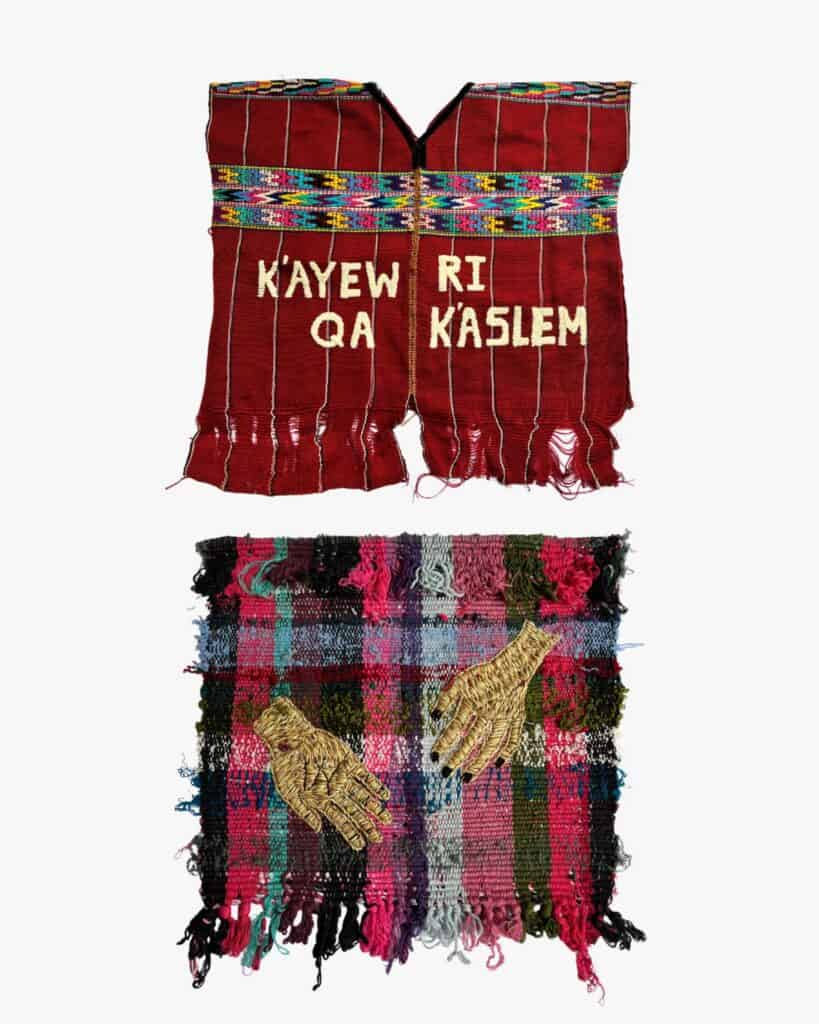
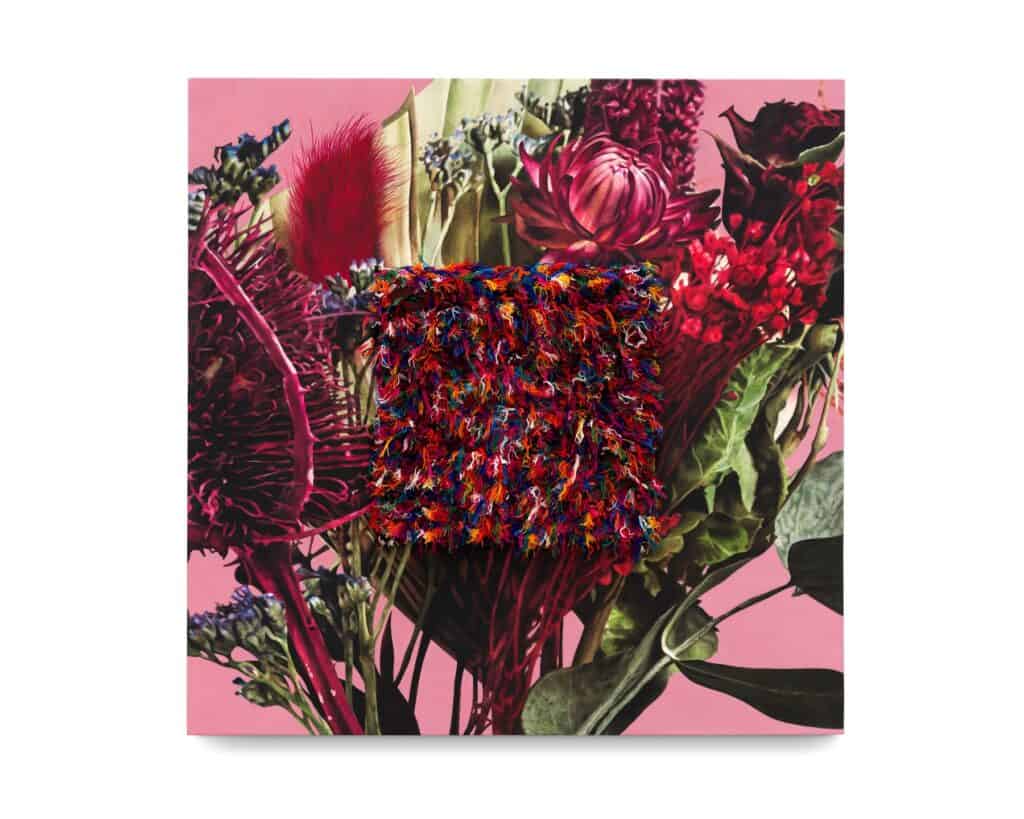
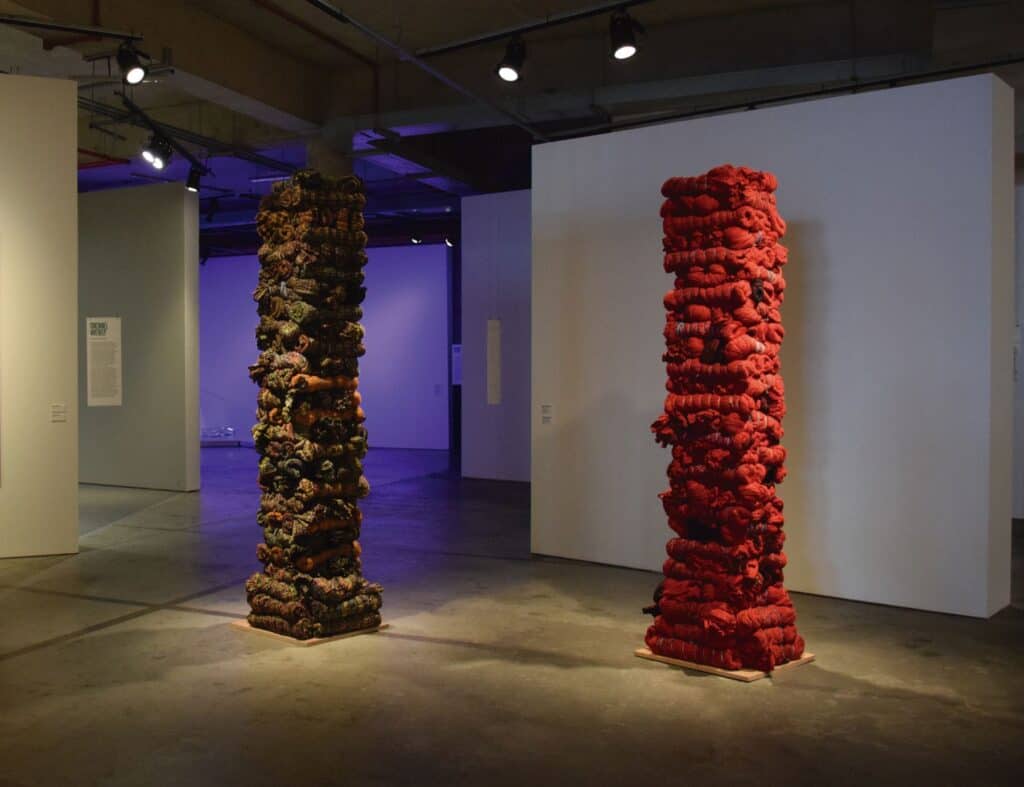
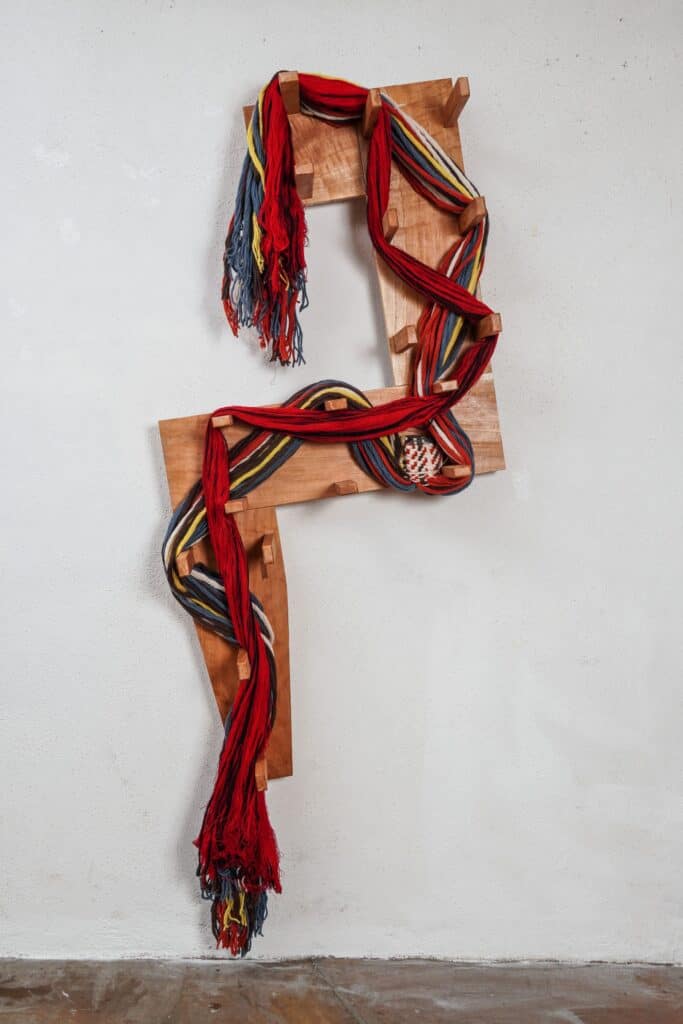
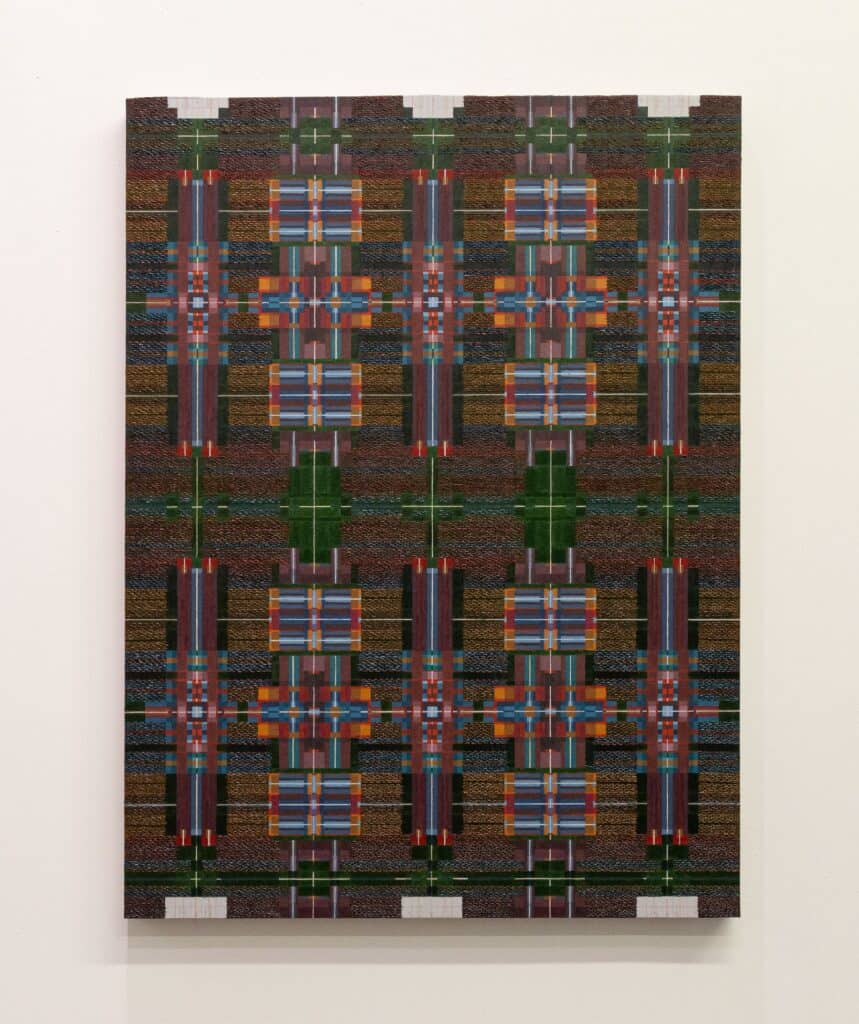
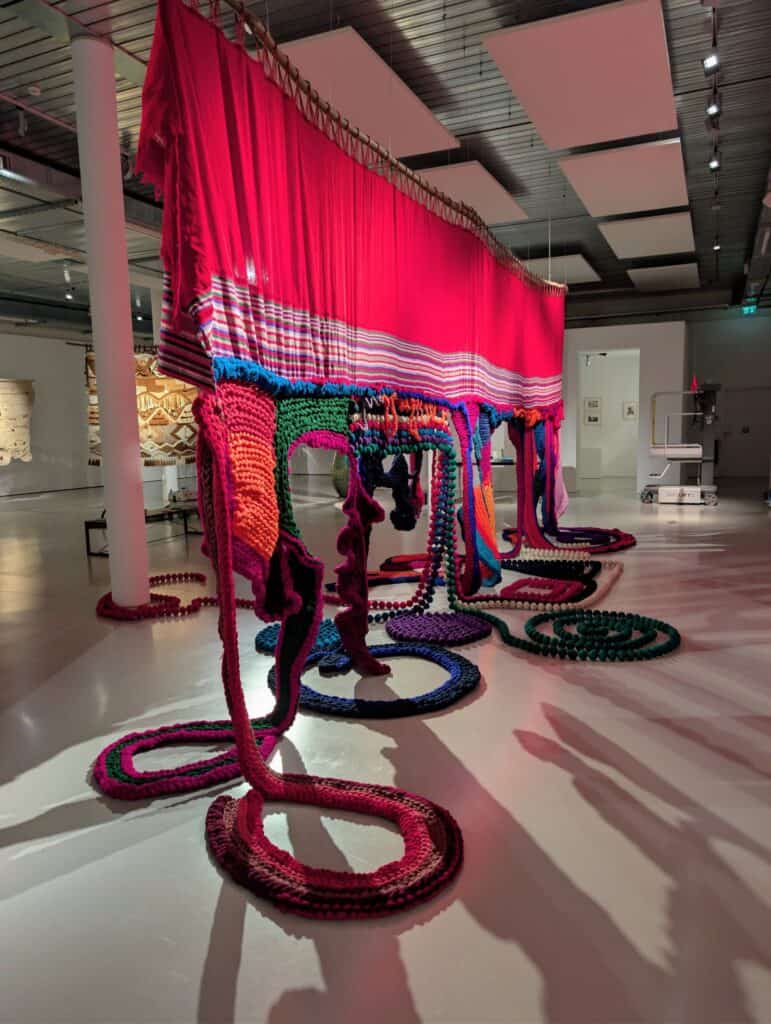
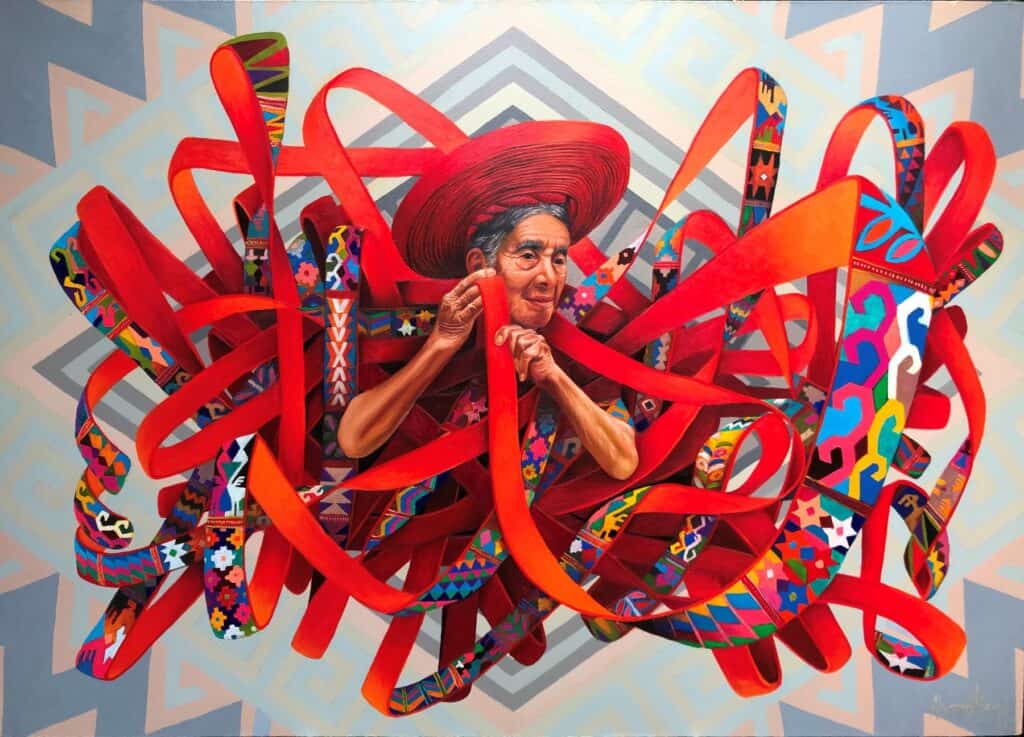
The exhibition will feature both historic and contemporary works, including ceremonial huipiles, brocaded garments, and woven textiles from the 22 ethnolinguistic Maya communities, alongside works by Jeff Cán Xicay, Nery Gabriel Lemus, Sandra Monterroso, Antonio Pichillá, Luis Emilio Romero, Angélica Serech, and Alvaro Tzaj. Their practices extend Maya textile languages into new conceptual territories through painting, sculpture, installation, performance, and multimedia while remaining deeply rooted in Indigenous systems of knowledge and cultural memory.
Throughout Guatemala, weaving has long been intertwined with language, gender, labor, spirituality, and relationships to the land. Woven forms encode histories of place, lineage, cosmology, and resistance while preserving knowledge passed from one generation to the next. Today, many contemporary artists continue this lineage, transforming textile practices into powerful vehicles for political critique, environmental stewardship, and cultural affirmation. For example, artist Sandra Monterroso reclaims weaving as a feminist and decolonial practice, while Antonio Pichillá reinterprets Maya visual languages through abstraction, installation, and ritual. Together, these artists demonstrate how ancestral knowledge remains a vital force within contemporary art rather than a relic of the past.
B’atz’: Legacy in Guatemalan Textiles & Contemporary Art moves scholarship forward by reframing Maya textiles not as ethnographic artifacts but as works of art situated within a living continuum of creative practice. It proposes a framework in which Indigenous craft is understood simultaneously as artistic innovation, cultural memory, ecological knowledge, and intellectual tradition. In doing so, the exhibition expands contemporary craft scholarship beyond conventional narratives while positioning Guatemalan artists within broader global histories of contemporary art.
A multilingual scholarly publication will accompany the exhibition, featuring newly commissioned essays, artist interviews, and original research that will serve as a lasting resource for scholars, educators, artists, and museums.
B’atz’: Legacy in Guatemalan Textiles & Contemporary Art is organized by Alma Ruiz and Rody N. Lopez, Executive Director.
Exhibition artists include representatives of the 22 ethnolinguistic Maya communities: Achi’, Akateko, Awakateko, Chalchiteko, Ch’orti’, Chuj, Itzá, Ixil, Jakalteko (Popti’), Kaqchikel, K’iche’ (the second most spoken language in Guatemala), Mam, Mopan, Poqomam, Poqomchi’, Q’anjob’al, Q’eqchi’, Sakapulteko, Sipakapense, Tektiteko, Tz’utujil, Uspanteko, alongside works by Jeff Cán Xicay, Nery Gabriel Lemus, Sandra Monterroso, Antonio Pichillá, Luis Emilio Romero, Angélica Serech, and Alvaro Tzaj.
An accompanying catalog, produced for the exhibition, includes contributions by Alma Ruiz, Rody N. Lopez, Aurora Nohemí Chaj Haz, Violeta Gutiérrez, Movimiento Nacional de Tejedoras de Guatemala.
This exhibition is supported, in part, by The Julius Bernard Kester Trust.
The [Untold] Story of Craft
In June 2025, Craft Contemporary began a series of exhibitions interpreting the varied interactions between craft and the natural elements: air, water, earth, and fire. The exhibitions highlight sustainability, accessibility, and connect visitors to the universal rhythms of the Earth. Significantly, these exhibitions also tell a new story of Craft in a contemporary world as we work together to heal global wounds through creativity and making.